

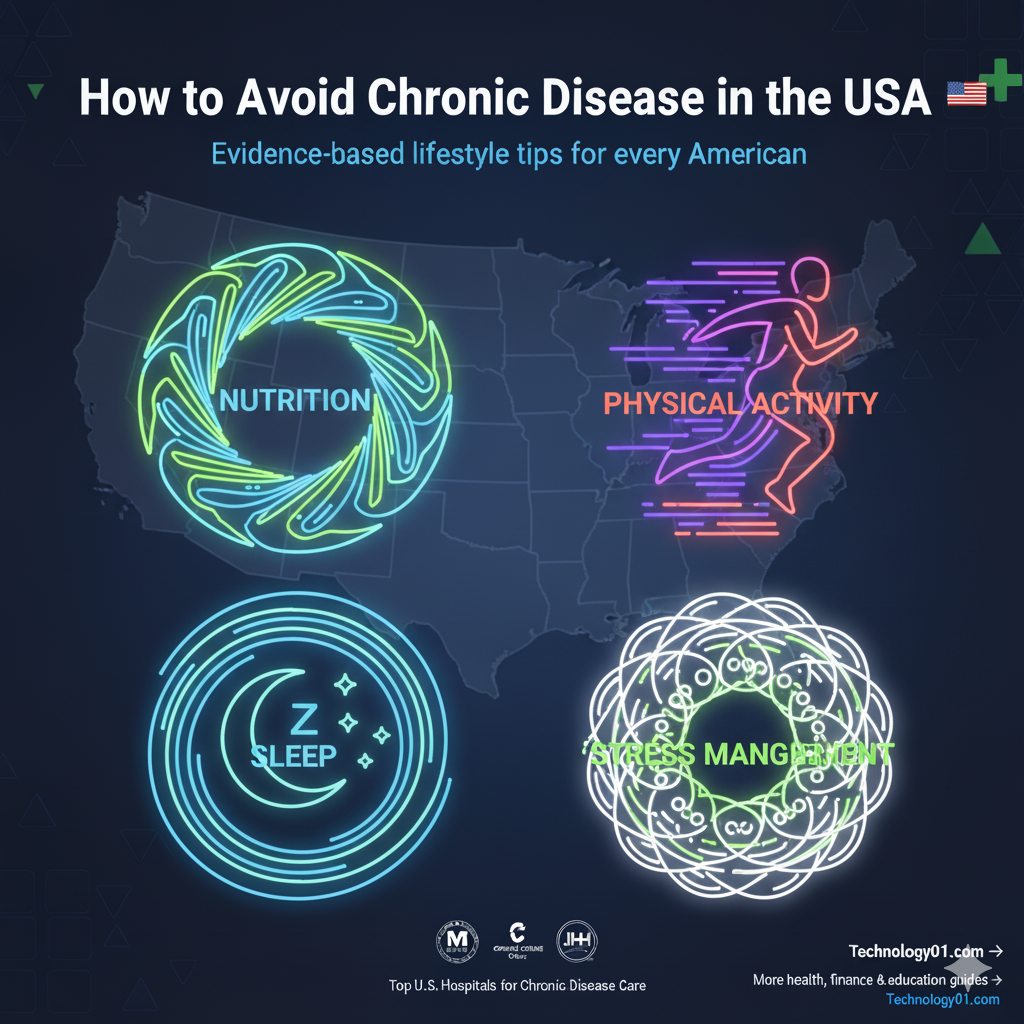
how to avoid chronic disease in the USA
Author note: This guide synthesizes public-health data and hospital rankings and is written to be practical, transparent, and trustworthy. The main data sources used are the U.S. Centers for Disease Control and Prevention (CDC) for disease burden and national prevention guidance, and the World’s Best / U.S.-ranked hospital listings for top care centers in the United States. (Sources cited inline where most important.)
Introduction — why this matters in the USA (and why you should keep reading)
how to avoid chronic disease in the USA ? Chronic diseases — like heart disease, cancer, diabetes, chronic respiratory disease, and stroke — are the leading causes of illness, disability, and death in the United States. Importantly, many of these conditions are preventable or can be delayed by lifestyle changes, early screening, and access to high-quality care. If you live in a city like New York, Los Angeles, Chicago, Houston, or in a smaller American community, you face the same common risk factors — sedentary life, processed foods, stress, and inequities in healthcare access. Fortunately, by making targeted changes today, you can dramatically lower your risks tomorrow.
According to the U.S. Centers for Disease Control and Prevention, chronic diseases account for much of the nation’s illness burden and healthcare cost; millions of Americans live with at least one chronic condition. (CDC)
This long-form guide gives you practical steps, science-based prevention pillars, natural healing tips, the best U.S. hospitals if you need advanced care, relevant quotes from public-health leaders, and action plans you can start today.
Quick facts
- In the United States, heart disease and cancer are consistently among the top two leading causes of death; other chronic conditions such as chronic lower respiratory disease, stroke, and diabetes regularly appear in the top ten. (CDC)
- An estimated 129 million U.S. adults have at least one major chronic disease (heart disease, diabetes, etc.), and chronic disease remains a leading driver of healthcare spending. (CDC)
what you will learn?
- Causes & risk factors explained clearly
- Five prevention pillars with detailed, actionable steps
- Natural healing and complementary approaches that are safe and evidence-informed
- Screening and diagnostic checklists for Americans (what to ask your doctor)
- Best hospitals in the USA for recovery and specialized care
- Quotes from recognized leaders to motivate action
- Final 30-day plan to reduce your risk
1) Causes and risk factors — what actually raises your chance of chronic disease
You should understand root causes because prevention targets these. Risk factors fall into several categories:
- Modifiable lifestyle risks: Poor diet, sedentary behavior, tobacco use, excessive alcohol, poor sleep. These are the biggest levers for prevention.
- Metabolic risks: High blood pressure, high blood sugar (pre-diabetes/diabetes), high LDL cholesterol — often silent but measurable.
- Environmental exposures: Air pollution, occupational hazards, secondhand smoke, and some household chemicals.
- Social determinants: Access to healthy food, safe places to exercise, stable housing, and healthcare access (insurance, proximity to doctors).
- Non-modifiable risks: Age, genetics, and family history. These shape baseline risk but do not remove the power of lifestyle changes.
Why this matters: five of the top ten causes of death in the U.S. are associated with preventable chronic diseases. Therefore, public-health action and personal prevention both matter. (CDC)
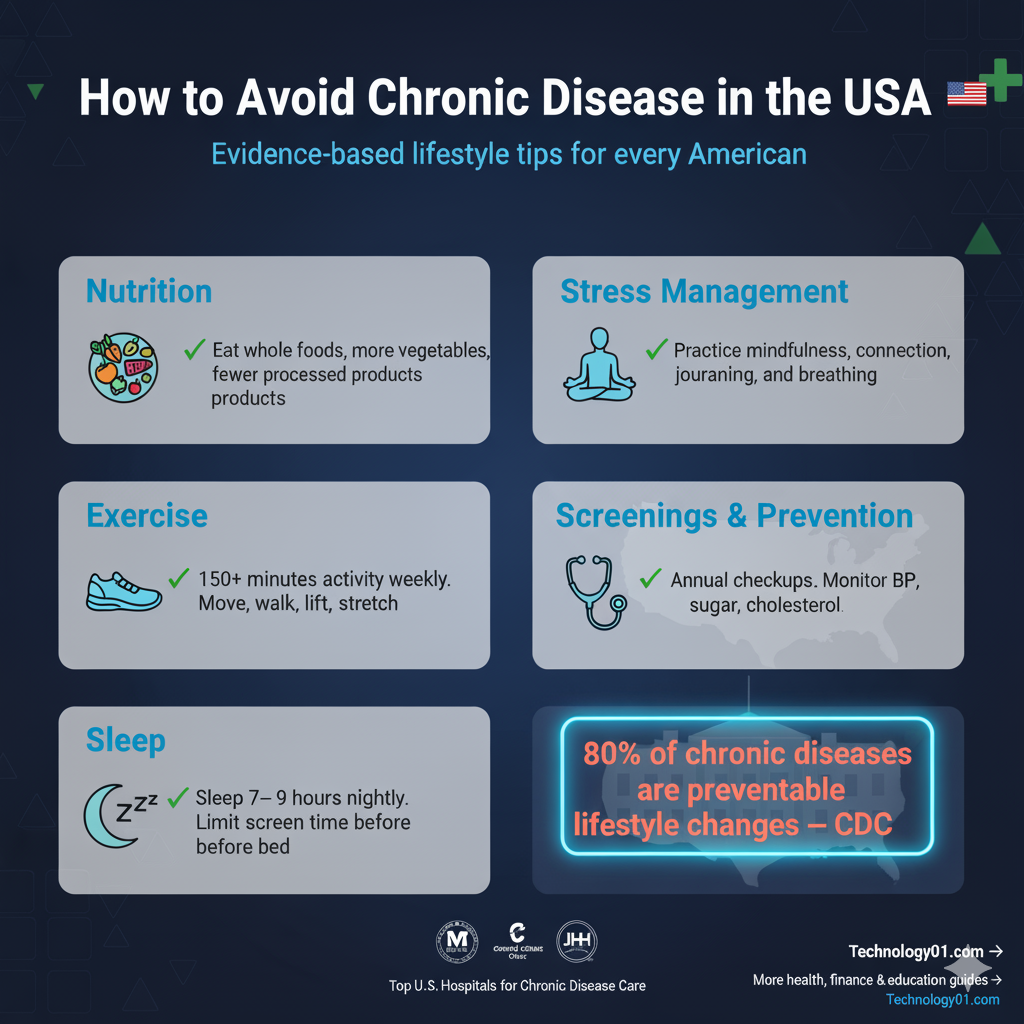
2) The five prevention pillars — how to avoid chronic disease step-by-step
Below, each pillar includes why it matters, what to do, and practical examples you can use this week.
Pillar 1 — Nutrition: feed your body to fight disease
Why it matters: Diet influences weight, blood sugar, blood pressure, and inflammation — all central to heart disease, diabetes, and cancer risk.
Do this:
- Favor whole foods: vegetables, fruits, legumes, whole grains, lean proteins (fish, poultry), nuts, and seeds.
- Reduce ultra-processed foods and sugary drinks. Replace sodas with water or sparkling water with lemon.
- Watch portion sizes and reduce added sugar and excess sodium.
- Consider the Mediterranean-style plate (lots of plants, olive oil, fish, moderate dairy) as a template.
Practical tip: Swap one processed snack per day for a handful of nuts + an apple. Small daily swaps compound quickly.
Pillar 2 — Move more: physical activity prevents many chronic illnesses
Why it matters: Regular physical activity lowers blood pressure, improves insulin sensitivity, reduces weight, and boosts mood.
Do this:
- Aim for at least 150 minutes of moderate aerobic activity per week (e.g., brisk walking), or 75 minutes of vigorous activity, plus muscle-strengthening twice weekly.
- If busy, break activity into 10–15 minute bursts — they add up.
- Use active transport where possible (walk or bike short trips in cities like Boston or San Francisco).
Practical tip: Walk 30 minutes five days a week. If you live in a city (New York, Chicago), try combining commuting with brisk walking.
Pillar 3 — Sleep and circadian health: the underrated prevention tool
Why it matters: Poor, short, or irregular sleep increases obesity, diabetes, hypertension, and mood disorders.
Do this:
- Aim for 7–9 hours nightly for most adults.
- Keep regular sleep/wake times, reduce late-night screens, and create a wind-down routine.
- Address sleep apnea if you snore heavily or are excessively sleepy — it’s a treatable disease that raises cardiovascular risk.
Practical tip: Turn off screens 60 minutes before bed and try a 10-minute breathing or meditation routine.
Pillar 4 — Mental health and social connection: prevention isn’t just physical
Why it matters: Chronic stress, loneliness, and untreated depression increase inflammation and harmful behaviors (smoking, poor diet).
Do this:
- Practice stress-reduction techniques (mindfulness, yoga, deep breathing).
- Cultivate social connections — family, friends, community groups.
- Seek professional help when needed. Life in American cities can be busy, but social connection is protective.
Quote for perspective: U.S. public-health leaders emphasize social connection as health-promoting. “We are built for connection — and our health depends on it.” — Dr. Vivek H. Murthy. (Widely cited from Surgeon General advisories and speeches.)
how to avoid chronic disease in the USA is a big Question in USA but technology01.com always prefer National benefits
Pillar 5 — Screening, vaccinations, and regular checkups
Why it matters: Many chronic conditions are easier to treat or reverse when found early — for instance, pre-diabetes, high blood pressure, and high cholesterol.
Do this (basic U.S. checklist):
- Annual primary-care visit for adults (or at least every 1–2 years depending on risk).
- Blood pressure check at least yearly (more often if elevated).
- Fasting blood glucose / A1c for diabetes screening per guidelines, especially if overweight or age > 35.
- Lipid panel (cholesterol) every 4–6 years or more often if risk factors present.
- Cancer screenings per U.S. preventive services (mammograms, colonoscopy, cervical screening, lung screening for heavy smokers).
- Stay up to date on vaccines (flu each year; others as recommended).
Practical tip: Keep a “health folder” (digital or physical) with your test results and medication list so any provider can see your baseline quickly.
3) Natural healing and complementary approaches — what helps and what to avoid
Many people want natural ways to support health. Below are evidence-informed, lower-risk options plus cautions.
Safe, evidence-friendly natural approaches
- Whole-food nutrition and anti-inflammatory spices: turmeric (curcumin), ginger — as adjuncts (not replacements) for a healthy diet.
- Physical activity and outdoor time: nature walks, gardening, and community sports build fitness and mental health.
- Mind–body therapies: mindfulness meditation, tai chi, and yoga reduce stress and may improve blood pressure and metabolic markers.
- Sleep hygiene and light exposure: morning daylight supports circadian rhythm and metabolic health.
Complementary therapies to use carefully
- Supplements: only when evidence supports them (e.g., vitamin D if deficient). Always check with your clinician because supplements can interact with medications.
- Herbal products: many are unregulated in the U.S. and can contain contaminants or interact with drugs. Buy from reputable brands and tell your doctor.
What to avoid
- Replacing prescribed medicines with “natural cures.” Never stop a medication (for blood pressure, diabetes, anticoagulation) without medical advice.
- Extreme detoxes, fad diets, or unproven injections marketed as miracle cures.
4) Screening and action checklist (what to ask your U.S. provider)
When you visit your primary-care doctor or clinic, bring this checklist:
- “Please check my blood pressure today and record it.”
- “Can we test fasting glucose/A1c and a lipid panel?”
- “Is my BMI and waist circumference a health concern?”
- “Based on family history, which cancer screenings or genetic tests do you recommend?”
- “Do I need vaccinations or booster shots this year?”
- “I smoke/drink — can you help me with cessation resources?”
- “If I have sleep problems, can you evaluate me for sleep apnea?”
Use patient portals (common in U.S. healthcare systems) to message your clinician and to access lab results quickly.
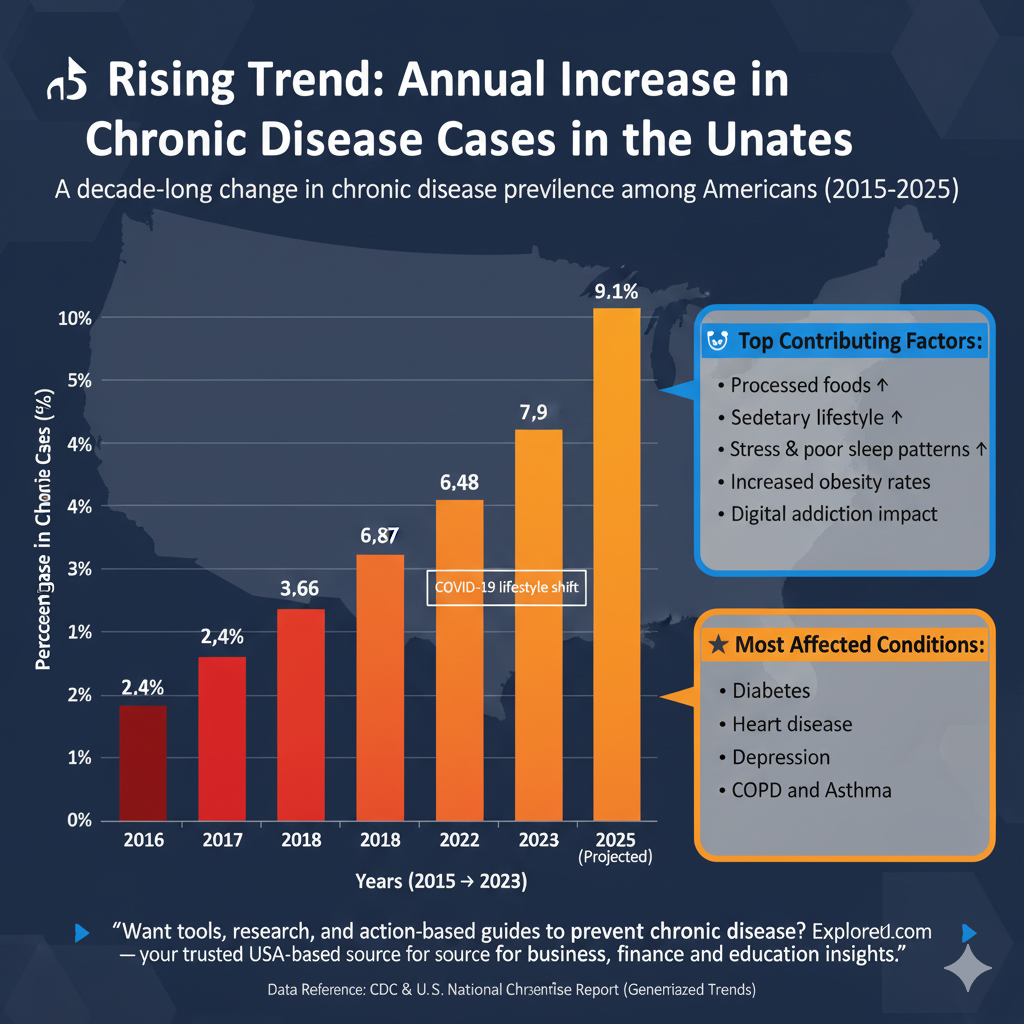
how to avoid chronic disease in the USA ? is also trending as the patients are directly increasing very fast
5) Best hospitals in the USA for recovery and specialized chronic care
If you or a loved one need advanced specialty care or a top recovery center, choose institutions with strong specialty outcomes and rehabilitation programs. The 2025 global and U.S. hospital rankings consistently highlight certain hospitals as top-tier for complex, multidisciplinary care: Mayo Clinic (Rochester), Cleveland Clinic (Ohio), Johns Hopkins Hospital (Baltimore), among others. These centers have deep specialty expertise in cardiology, oncology, neurology, and advanced rehabilitation. (rankings.newsweek.com)
Top hospitals often selected for chronic illness care (examples):
- Mayo Clinic — Rochester, MN (renowned for complex multispecialty care and integrated teams). (rankings.newsweek.com)
- Cleveland Clinic — Cleveland, OH (world-class cardiology and heart-failure programs). (rankings.newsweek.com)
- Johns Hopkins Hospital — Baltimore, MD (neurology, oncology, complex medicine). (rankings.newsweek.com)
- Cedars-Sinai Medical Center — Los Angeles, CA (cardio, oncology, rehab). (beckershospitalreview.com)
- Mayo Clinic (Arizona / Florida campuses) and Stanford Health Care — recognized centers with broad capabilities. (beckershospitalreview.com)
How to choose: Look for hospitals with specialty centers relevant to your condition, strong rehabilitation programs, good patient safety records, and clear outcomes reporting. If insurance is a consideration, check in-network status and referral needs.
6) how to avoid chronic disease in the USA? dont worry Natural healing points — practical daily habits
Below are natural, low-risk habits with strong supportive evidence:
- Daily walking + strength work: 30–45 minutes combined cardio and two strength sessions weekly.
- Plant-forward meals: half your plate vegetables and fruits; swap refined grains for whole grains.
- Hydration & reduced sugary drinks: water as primary beverage.
- Stress interrupts disease: 10–20 minutes daily of mindfulness or breathwork reduces stress hormones.
- Purpose & social ties: join local groups, volunteer, or pursue community-based activities — these lower mortality and improve resilience. (This ties to U.S. national messaging on social connection and health.)
These approaches complement medical care and, importantly, are accessible in communities across the U.S. — from rural towns to major cities.
“We are built for connection — and our health depends on it.” — Dr. Vivek H. Murthy, U.S. Surgeon General (on loneliness and health).
7) What about policy, politics, and national context? (Yes — Trump, the White House, and policy matter)
Health policy decisions — from the White House to state capitols — shape access to preventive services, coverage for screenings, funding for community health programs, and public health messaging. Across administrations (including the Trump years and the current policy environment), federal priorities can influence prevention programs, Medicaid/Medicare rules, and funding for community health centers. Therefore, staying informed and advocating locally for prevention funding and equitable access matters. Regardless of political climate, individuals can act on prevention steps described here.
U.S. Migrants: Legal Rights, Visas & the 2025
8) how to avoid chronic disease in the USA? yo should know it
- continue increment
- large number gradually growing
- no proper guidance and awareness
These statements remind us that prevention is both personal and societal.
9) (deeper, evidence-based numbers)
- Leading causes of death (U.S.): Heart disease and cancer lead, followed by unintentional injuries, stroke, chronic lower respiratory diseases, and diabetes — chronic conditions dominate the list. This pattern underscores the prevention opportunity. (CDC)
- Prevalence: Roughly 129 million Americans live with at least one major chronic disease — highlighting the scale of the challenge. (CDC)
(Note: percentages and absolute numbers shift slowly year to year; use your provider or CDC web pages for latest local-state breakdowns.)
11) what about helpful web Technology01.com
If you run or promote Technology01.com, here are two short promotional snippets you can place on the blog (non-intrusive, helpful):
- “For more evidence-based health, finance, and education insights — including tools to track your wellness and local hospital rankings — visit Technology01.com.”
- “Tech-savvy prevention tools: Explore Technology01.com for health trackers, budgeting advice for medical costs, and educational resources to support lifelong wellness.”
Make sure promotional links are labeled and transparent. Readers appreciate clear, useful tools alongside health content.
12)how to avoid chronic disease in the USA?
A 30-day action plan — start today, build momentum
1st Week 1: Foundations
- Day 1: Book or message your primary-care clinician for a preventive checkup.
- Day 2–3: Replace two sugary drinks with water.
- Day 4: Walk 20–30 minutes.
- Day 5: Add one vegetable to two meals.
- Day 6–7: Turn off screens 60 minutes before bed.
2n Week 2: Build habit & screening
- Schedule blood-pressure check or walk-in screening.
- Start brief 10-minute morning meditation.
- Do two short strength sessions.
3rd Week 3: Deepen nutrition & social ties
- Plan three plant-forward dinners.
- Join a local group (community center, church group, or Meetup) for one social activity.
4th Week 4: Evaluate & plan next steps
- Review progress; check BP or lab orders if placed.
- Create a 3-month maintenance plan: set walking goals, meal-prep twice weekly, and schedule regular clinician follow-ups.
- “Treatment without prevention is simply unsustainable.” — often attributed to public-health advocates such as Bill Gates and echoed by health economists and policy leaders.
13) Common reader FAQs
Can chronic disease really be prevented?
Yes — many chronic diseases are strongly linked to modifiable risks. Prevention isn’t guaranteed, but it substantially lowers risk.
Are natural remedies enough?
Natural approaches help, but they should complement — not replace — proven medical care and medications when needed.
Which U.S. hospital is best if I have advanced disease?
Centers like Mayo Clinic, Cleveland Clinic, and Johns Hopkins are among top choices for complex care; consider specialty fit and insurance. (rankings.newsweek.com)
14) What to do ?
Preventing chronic disease is both an individual and societal task. While policy, hospital systems, and economics shape the environment, your daily choices — moving more, eating better, sleeping well, connecting socially, and screening on time — are powerful. Start with one small habit today: a 20–minute walk, an extra vegetable at dinner, or a message to your doctor for screening. Over time, those small steps become the healthy life you — and your community — deserve.
Sources
- Centers for Disease Control and Prevention — About Chronic Diseases and Leading Causes of Death (data and prevention guidance). (CDC)
- World’s Best Hospitals / U.S. hospital rankings (2025 lists used to highlight top U.S. centers such as Mayo Clinic, Cleveland Clinic, Johns Hopkins). (rankings.newsweek.com)
Final note
This article is informational and does not replace medical advice. For personalized care, consult your primary-care clinician or a specialist. If you want, I can adapt this piece for a specific U.S. city (e.g., “How to avoid chronic disease — New York City edition”) and include local clinics, community resources, and state-level data.